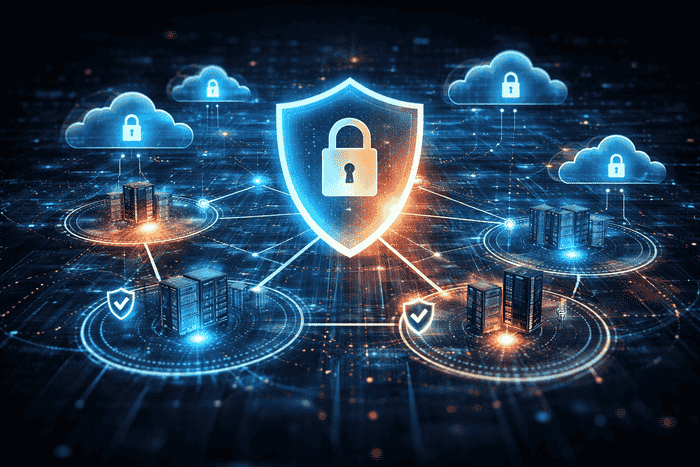
Today cybersecurity is changing fast. Companies are using multi-cloud environments to make their IT operations better. This change brings problems in keeping complex systems safe especially when there are sophisticated cyber threats. One of the ways to deal with these problems is Zero Trust Microsegmentation. This is a framework that makes security better by limiting access within the network based on a verification model.
Implementing Zero Trust Microsegmentation solutions in hybrid and -cloud environments is really important for making sure companies follow the rules comply with regulations and are protected against new threats.
Zero Trust is a security model that does not trust any entity whether it is inside or outside the companys network. It has become very popular in years. When you combine Zero Trust with microsegmentation, which divides the network into isolated segments it creates a more resilient security posture. This article is about the importance of Zero Trust Microsegmentation solutions in hybrid and -cloud environments. It focuses on governance the benefits of this approach and the challenges companies face when they implement these solutions.
The Need for Zero Trust in Hybrid and Multi-Cloud Environments
Companies are using -cloud architectures more and more. This makes it really tough to make sure that different systems and networks can talk to each other.
Multi-cloud architectures usually involve a mix of on-premises data centers and public cloud providers like AWS, Azure or Google Cloud and private clouds.
The complexity of -cloud architectures creates a lot of security risks for companies using multi-cloud architectures.
For example security risks for companies using -cloud architectures include cybercriminals moving laterally and misconfigurations and people getting unauthorized access, to sensitive data of companies using multi-cloud architectures.
Traditional network security models are not good enough in these environments. They often rely on perimeter-based defenses which’re not sufficient. The perimeter is not clearly defined anymore because users, devices and workloads can be anywhere in the world. This change requires a detailed approach to security, which is Zero Trust.
Zero Trust is a way of thinking that says every single user, every device and every single application has to prove who they are and that they are safe all the time before they can get to any important information. When we use Zero Trust rules and also use something called microsegmentation companies can make sure everything is really secure. This means they can keep systems, data and workloads separate so that even if someone gets in who should not be there they cannot get to everything. Zero Trust and microsegmentation help prevent people from getting to things they should not have access, to.
What is Microsegmentation? How Does It Work?
Microsegmentation is the practice of dividing a network into isolated segments. Each segment has its security policies and controls. In a network if a cybercriminal gains access to one area they can move to other systems within the same network. Microsegmentation reduces this risk by restricting communication between segments unless it is explicitly authorized. This can significantly reduce the attack surface.
In the context of Zero Trust microsegmentation goes beyond network boundaries. It ensures that access to each segment is based on identity and behavior-based policies. This approach makes it much harder for attackers to move laterally or gain access to systems. Of relying on traditional perimeter security companies must implement microsegmentation, within each cloud environment. They need to segment workloads and applications based on their security needs.
Key Benefits of Zero Trust Microsegmentation Solutions
1. Improved Security Posture
The primary benefit of zero trust microsegmentation solutions is the enhanced security they provide.When we break up the network into parts and use Zero Trust principles organizations can have a lot of control, over who gets to use specific resources. This helps to minimize the damage if someone breaks into the network.If someone bad gets into one part of the network they cannot move around to parts so they cannot get to other systems or data.Also using microsegmentation lets us control who gets to talk to a resource very carefully. This means only people, devices or programs that are allowed can use that resource.
This reduces the risk of someone getting in who should not be there and helps organizations follow the rules they need to to keep data with Zero Trust and microsegmentation.
2. Better Visibility and Control
Zero Trust microsegmentation solutions give us a look at what is going on with network traffic and user behavior. This is really important when we have cloud platforms and hybrid environments because it can be tough to keep track of where data is going.
By breaking the network into parts and being very strict about what can happen in each part we can watch what is going on much more closely. This helps us find things or people not following the rules quickly.
This gives us an idea of what is going on so we can make sure our security policies are really good. For example we can make sure that only the right people can see data or that our applications and workloads are doing things the right way.
3. Reduced Attack Surface
One of the things about Zero Trust Microsegmentation solutions is that they make it much harder for bad people to get in.
By keeping workloads and sensitive data separate from the rest of the network we make it much harder for attackers to find weaknesses or get in without permission. This is especially important in environments, where things are always changing and it can be easy to create security problems.
Also microsegmentation helps us limit the damage if someone inside the organization is doing something. If a bad person gets into one part of the network they cannot get into parts so the attack is not as bad. Zero Trust microsegmentation solutions are really good, at helping us with this. Zero Trust microsegmentation solutions make our network safer.
Conclusion
Zero Trust microsegmentation solutions are a way to secure hybrid and multi-cloud environments. By using Zero Trust principles and microsegmentation organizations can make sure that only authorized users, devices and applications can get to resources, which really reduces the risk of a breach. While it can be tough to put these solutions in place the benefits of security more visibility and easier compliance make it a critical strategy for any organization that is working in todays complex cloud-driven world.
As cyber threats keep evolving and hybrid and multi-cloud environments become more common using Zero Trust Microsegmentation solutions will be key, to keeping infrastructure safe and secure. Zero Trust Microsegmentation solutions will help organizations deal with these challenges and stay ahead of cyber threats.
Leave a Reply